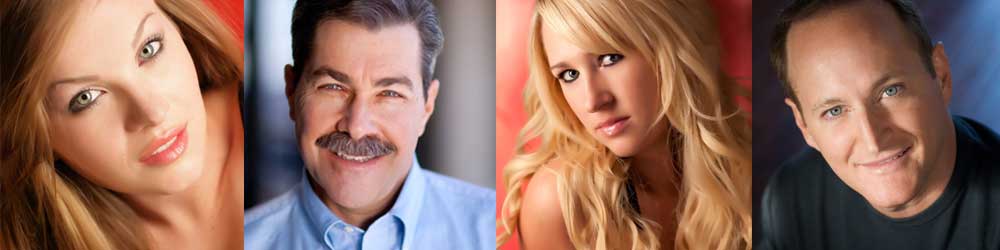
Congratulations! You've completed your professional headshot session and received your gallery of images. Now comes a crucial decision: which headshot should you choose? With multiple options to evaluate, the selection process can feel overwhelming. However, knowing what to look for makes it much easier to pick images that represent you professionally and confidently.
This comprehensive guide walks you through the selection process, helping you evaluate your headshots and make confident choices for your specific needs.
What to Look for in a Great Headshot
A truly great headshot combines several key elements. Understanding these factors helps you evaluate your session images more effectively:
- Sharp Focus: Your eyes should be perfectly sharp and clear. This is the most important technical element. Blurry eyes make even beautiful images unusable.
- Professional Lighting: The lighting should flatter your face, minimize unflattering shadows, and make you look healthy and vibrant. Look for even illumination without harsh shadows under the eyes or chin.
- Natural Expression: Your smile or expression should look genuine and authentic, not forced or uncomfortable. People viewing your headshot should feel like they're seeing the real you.
- Good Skin Tone: Your complexion should look healthy and even, with natural color. Avoid images where you look washed out, overly flushed, or with visible blemishes.
- Proper Posture: Your shoulders should be back, your neck elongated, and your head positioned well. Good posture projects confidence and professionalism.
- Clean Background: The background should be uncluttered and complementary, not distracting from your face. Your face should be the clear focal point.
- Authentic Personality: The image should capture something truthful about who you are. It should feel like you, not someone pretending to be professional.
Evaluating Technical Quality
Before getting emotionally attached to an image, evaluate its technical quality. This ensures your selected headshot is actually usable for professional purposes:
Focus and Sharpness
Zoom in to 100% magnification and examine your eyes closely. They should be tack-sharp and detailed. Minor softness in the background is acceptable, but your eyes must be sharp. If the focus is soft, move on to another image.
Lighting Consistency
Look at how light falls across your face. Professional lighting should:
- Illuminate both sides of your face relatively evenly
- Create subtle shadows that define your features
- Avoid harsh shadows or overexposed areas
- Make your skin look smooth and healthy
- Minimize or eliminate unflattering shadows under the eyes
Exposure and Color
Your skin tone should look natural and healthy, not too pale or overly saturated. Colors should be accurate - your actual eye color and hair color should be represented truthfully. If an image looks too bright or too dark, it may need more editing, but your photographer's retouching can address minor exposure issues.
No Distracting Elements
Look for any distracting elements that pull attention away from your face:
- Stray hair across your face
- Visible blemishes or skin issues (these can be retouched)
- Unflattering shadows or highlights
- Wrinkled clothing or visible collars at odd angles
- Off-focus or distracting background elements
Assessing Your Expression and Energy
Beyond technical quality, your expression should feel right for your purpose. Evaluate your emotional presentation:
Authentic Smile vs. Forced Smile
A genuine smile reaches your eyes (called Duchenne markers). In a forced smile, only your mouth moves. Look for images where your eyes have that natural crinkle and your smile feels warm. This authenticity is what makes headshots powerful.
Energy Level
Does the image convey appropriate energy for your industry? For business headshots, you want approachable and confident. For acting headshots, you might want dynamic, engaging, or intense. For LinkedIn, professional and trustworthy. Make sure the energy matches your industry expectations.
Eye Contact and Connection
Your eyes should appear engaged and present, looking directly at the camera. Eyes looking unfocused or distant are weaker choices. The viewer should feel like you're making eye contact with them.
Getting Second Opinions
It's extremely valuable to get objective feedback before making your final selections:
Your Photographer's Perspective
Your photographer has professional experience evaluating headshots for hundreds of clients. They understand technical quality, lighting, and what works in the industry. Ask them for their top picks and their reasoning. They might point out focus issues or lighting nuances you missed.
Trusted Colleagues and Mentors
Show your top contenders to people in your field who know you professionally. Ask them:
- "Which image best represents how you see me professionally?"
- "Which one would make you most comfortable contacting me for work/collaboration?"
- "Do any of these not feel like me?"
- "Which one would you find most approachable/trustworthy/dynamic?"
Their feedback often reveals which images resonate strongest with your professional network.
Industry Professionals
If you're an actor, consult your agent about which looks best serve your type. If you're in business, ask HR contacts or senior colleagues which projects the right image. These professionals know what works in your specific field.
Trust Your Instincts
While feedback is valuable, ultimately you must feel confident and comfortable with your choice. If everyone loves an image but you feel uncomfortable in it, that discomfort will show when you use it. Trust the image that makes you feel authentically represented.
Considering Your Use Case
Different industries and platforms have different visual expectations. Rather than choosing one single headshot for every purpose, consider selecting multiple options:
LinkedIn Professional Headshots
LinkedIn requires headshots that are professional, trustworthy, and approachable. Best practices include:
- Natural, warm expression - you should look friendly and open
- Suitable professional clothing (business casual or better)
- Clean, professional background
- Appropriate eye contact and engagement
- Square framing showing shoulders
Business Headshots (Corporate Use)
Business headshots for websites, directories, or internal communications should convey:
- Competence and professionalism
- Approachability and trustworthiness
- Industry-appropriate styling and expression
- Consistency with your role and company culture
Acting Headshots
For acting headshots, you'll likely want multiple options showing different types and emotional ranges:
- Your "type" or most natural look
- Multiple expressions (serious, friendly, intense, approachable)
- Different looks if you have range (corporate, creative, dramatic)
- Images that match your agent's guidance for your market segment
Modeling Headshots
Modeling requires specific looks depending on your market:
- Commercial headshots - friendly, approachable, relatable
- Theatrical headshots - more intense, character-driven
- Fashion headshots - sleek, striking, editorial
Common Selection Mistakes to Avoid
Here are pitfalls to watch out for when selecting your headshots:
- Choosing based on one flattering feature: Don't select an image just because your eyes look great if the lighting is unflattering overall. Evaluate the complete image.
- Overthinking facial features: You might notice a tiny skin imperfection or slight asymmetry that nobody else will see. These details can be retouched anyway.
- Choosing images that are "most you": A headshot doesn't need to capture your complete personality. It just needs to represent you professionally and compellingly for your specific use.
- Picking unflattering clothes because you like the expression: If the clothing doesn't work for your industry, the expression doesn't matter as much. Choose images where both work together.
- Selecting based on comparison to others: Choose the best image for your needs, not the one that "looks better than my friend's headshot." This is about you, not competition.
- Ignoring technical flaws: No matter how good the expression, if focus is soft or lighting is harsh, it's not a professional choice.
- Choosing an image because it's "the safest option": Sometimes a slightly more dynamic or unique image resonates better than the safest, most boring choice.
Trust Your Photographer's Expertise
Your photographer has reviewed your images carefully and should offer professional guidance on selections. They understand:
- Technical quality aspects you might miss (focus accuracy, lighting subtleties)
- Industry standards for different types of headshots
- What makes images work well for their intended purpose
- Which expressions and energy levels are most commercially viable
If your photographer recommends certain images, there's usually a solid professional reason. That said, the final choice should feel right to you. A good photographer will explain their recommendations so you understand the reasoning and can make an informed decision.
Looking Past Minor Details
Don't let perfectionism sabotage your selection. A professional headshot doesn't need to be perfect - it needs to be compelling and authentic:
What's Actually Fixable
During professional retouching, your photographer can:
- Smooth skin and remove blemishes
- Whiten teeth slightly
- Brighten or even out eyes
- Adjust lighting and contrast
- Remove stray hairs or minor distractions
- Adjust colors and skin tone
Don't reject an image with great expression and lighting because of a minor blemish - that's easily fixed.
What Can't Be Fixed
Don't expect retouching to fix:
- Soft or blurry focus
- Poor overall expression or energy
- Unflattering clothing or styling
- Harsh, unflattering lighting
- Distracting background elements
Choose images that are technically sound first, then retouching makes them perfect.
Testing Your Headshot Selections
Before finalizing your choice, put your finalists to work:
Show to Colleagues and Industry Contacts
Use your top candidates as profile pictures or send them to trusted colleagues. Notice which one receives the most positive feedback or feels right in real-world use.
Upload as Profile Pictures
If you're updating LinkedIn, try each finalist as your profile picture for a few days. See how it feels to represent yourself with that image. Which one makes you feel most confident?
Print and View at Different Sizes
Headshots will be used at various sizes - from tiny LinkedIn thumbnails to 8x10 prints. View your finalists at actual sizes they'll be used at. Sometimes an image that looks great at full resolution loses its impact at thumbnail size, and vice versa.
Sleep on It
Don't rush your decision. Live with your finalists for a day or two. The image that still feels right after a little time is probably your best choice.
Choosing Multiple Headshots for Different Purposes
Unless you're a working actor who needs range, you typically only need 1-2 primary headshots. However, consider having options for different contexts:
- Primary/LinkedIn headshot: Your most professional, versatile look
- Alternative headshot: A slightly different energy or expression for variety
- Casual headshot: A warmer, more approachable version if your industry allows
- Acting/portfolio headshots: Multiple looks showing your range
Having a few solid options means you can choose the most appropriate image for specific contexts or if you need to refresh your marketing materials later.
When You Can't Decide
If you're struggling to choose between finalists:
Go Back to Technical Quality
Compare the strongest technical elements. Which has the sharpest eyes? Better lighting? Cleaner background? Start there.
Consider Your Goal
Get clear on your primary goal with this headshot. Is it to book acting roles? Build LinkedIn presence? Look approachable on your business website? Clarity on your goal makes the choice easier.
Ask Specific Questions
Instead of "Which do you like better?", ask specific questions:
- "Which one makes me look more approachable?"
- "Which better represents my industry/brand?"
- "Which one would you contact first for a job opportunity?"
- "Which feels most like the real me?"
Specific questions generate more useful feedback than general preferences.
Trust Your Photographer
If you're truly torn between two excellent options, ask your photographer which they'd recommend and why. Their professional perspective can help break the tie.
Final Thoughts on Headshot Selection
Choosing your best headshot is a balance between technical quality, authentic expression, and strategic thinking about how you want to be perceived professionally. The process should be enjoyable, not stressful. You've already invested in a professional session - trust that you have great images to work with and make a confident selection based on these guidelines.
Remember, a headshot is not forever. You can update it when you want a fresh look, change industries, or simply decide you want something different. There's no need to agonize over finding the single perfect image. Choose images that represent you well and make you feel confident. That confidence will show in every use of your headshots.
At Ace Photo & Video, we help guide you through the selection process and provide professional recommendations based on our years of headshot experience. We serve Las Vegas, Henderson, North Las Vegas, and Summerlin with both studio and on-location sessions.
Quick Answer
How do I choose my best headshot?
Evaluate technical quality first: sharp focus on eyes, professional lighting, and clean background. Then assess your expression - look for authentic emotion that matches your industry. Get feedback from your photographer and trusted colleagues. Consider your specific use case (LinkedIn, acting, business). Compare finalists at different sizes and trust your instincts about which image makes you feel confident and authentically represented.